

Although years have passed since the catastrophic floods of 2022, the devastation they caused remains fresh in the minds of millions. That year, unprecedented torrential rains inundated large parts of Pakistan, with the country receiving nearly 166 mm of rainfall—far above average. Despite contributing less than 1% to global carbon emissions, Pakistan continues to suffer disproportionately due to its geographical vulnerability to extreme weather patterns.
The science behind climate change and intensified monsoons remains clear: rising global temperatures warm the air and seas, increasing evaporation. This, in turn, supercharges monsoon systems with more moisture, leading to heavier, more destructive rains. In this article, we revisit the 2022 floods as a case study of how climate change is fueling more frequent and intense natural disasters—and what it means for Pakistan’s future.The recent event of torrential rains in 2022 incurred huge losses for our country. Pakistan witnesses almost 166 mm of rain during that season. Despite the fact that Pakistan contributes less than 1 percent to global carbon dioxide emissions, it is located in a place that bears the brunt of two major weather systems.
A Cursory Glance At The Horrendous Implications of Floods Last Year

First, we will dissect the socio-economic and human costs of the recent floods.
A Tally of Damages of 14.9 Billion USD By Floods in 2022
As per the report of the World Bank, The assessment estimates total damages to exceed USD 14.9 billion, and total economic losses to reach about USD 15.2 billion. Estimated needs for rehabilitation and reconstruction in a resilient way are at least USD 16.3 billion.
According to the same repot housing, agriculture and livestock along with transport and telecommunication sectors suffered the most damage at USD 5.6 billion, 3.7 billion and 3.3 billion respectively. Sindh is the worst affected province with close to 70 percent of losses.
Humanitarian Costs Incurred Due to Floods
The floods affected 33 million people and more than 1730 lost their lives. They are particularly impacting the poorest and most vulnerable districts. The situation is still evolving with flood waters stagnant in many areas causing waterborne and vector-borne diseases to spread. Resultantly, more than 8 million people that have been displaced are now facing a health crisis.
Poverty Rate May Touch Even 4.0 percent
The PDNA Human Impact Assessment highlights that the national poverty rate may increase to 4.0 percent points potentially pushing 9.1 million people below the poverty line. Also, multidimensional poverty can potentially increase by 5.9 percent implying that 1.9 million households are at risk of being pushed into non-monetary poverty.
Economic Losses Incurred
Loss in GDP as a direct impact of the floods is projected to be around 2.2 percent of FY 22. The agriculture sector is projected to contract the most at 0.9 percent of GDP. The damages and losses in agriculture will have spillover effects on the industry, external trade, and services sector.
Check Out: Recurring Economic Woes of Pakistan
Infrastructure Almost Collapsed Due to The Onslaught Of Floods
The floods submerged one-third of the country in water. Over 2 million homes, 13000 kilometers of highways, 439 bridges, and more than 4 million acres of agricultural land were destroyed or damaged.
Factors Feeding The Monster of Climate Change Along With Natural Disasters
In order to treat an ailment, one may have to look at the causes which may have exacerbated the issue. The following are the few causes of these unprecedented disasters.
Extreme Rainfall

First, a warmer atmosphere holds more moisture. For every degree, the atmosphere warms it can hold about 6% to 7% more moisture which often results in more rain falling during the most extreme events. The reason is quite simple, the high concentration of carbon dioxide in the air.
The monsoon is highly complex and variable. It is formed in the summer. Unusual over Pakistan has some predictability. The phenomenon happens regularly as the climate changes. If such trends continue then flooding in Pakistan will happen more often in the future.
Heatwaves During Summer

Pakistan also experienced extended and brutal heat waves in May and June last year, which were amplified by climate change. This heat amplified the monsoonal’ thermal low:
Glaciers Melting
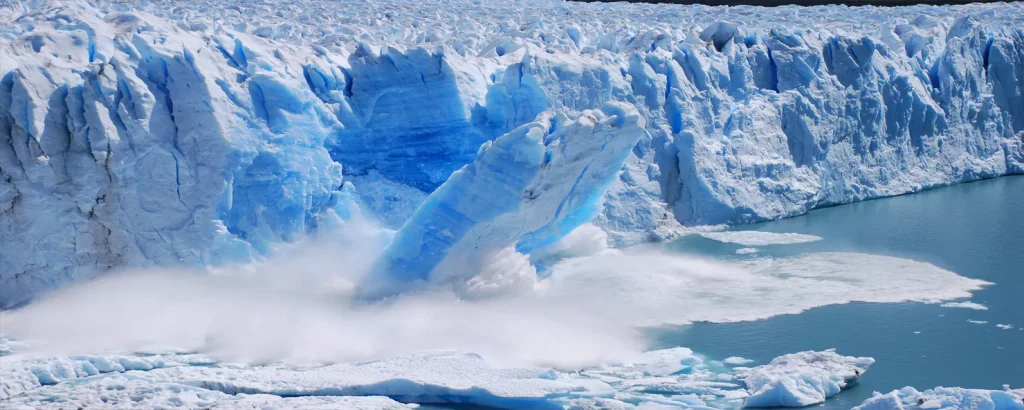
Third, Pakistan has more than 7000 glaciers in its northern mountain regions. As these glaciers melt, their waters contribute to flooding. This melting is driven to a large degree by climate change and is especially prominent these years as a result of heat waves.
Colonial Type of Infrastructure
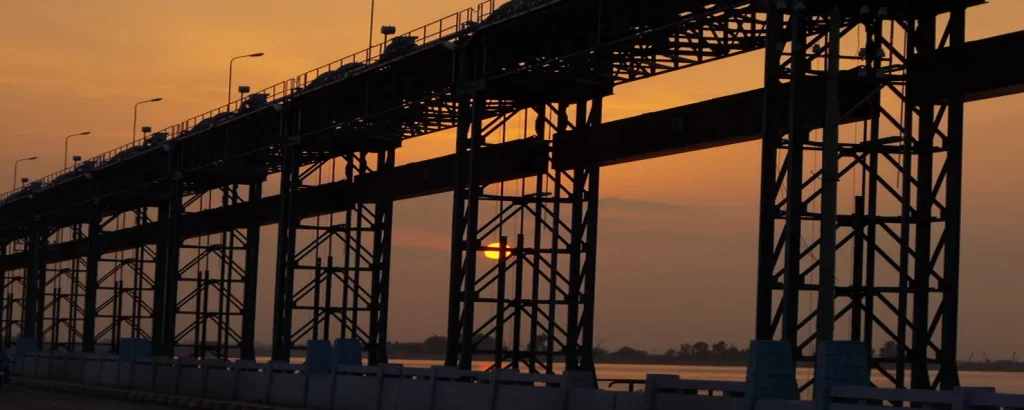
Last but not least, the mega projects supported by foreign technocratic expertise and financing have often dispossessed ethnically marginalized groups and exacerbated flooding. For example, the previous floods have been blamed on the faulty World Bank-led repair of the Taunsa Barrage
How to Tackle The Problem?
It is high time to tackle this issue once and for all as it has capped the climax.
The Proactive Behaviour of Disaster Management Authorities Should be Strengthened
First, the capacity building of provincial and national disaster management authorities should be cemented. Their proactive behavior needs to be strengthened.
Modernization of the Mega Projects
Similarly, Pakistan needs to modernize its mega projects like barrages and dams. Their design should be made eco-friendly. Their storage capacity should be enhanced.
The Flow of Urbanization Needs to Be Reined In
In the same way, the unstopped flow of urbanization needs to be capped in. It contributes to the blockade of waterways which clogs the water and submerges the land.
Agreements And Parts With Regional Countries to Cap CO2
Most importantly, the government should make agreements and pacts with the regional countries to check the emission of CO2. For that purpose, the example of New Zealand should be followed which has successfully achieved the target. Recently, Canada has launched an initiative to cap emissions.
The most affected countries should collaborate with one another to check the emissions of carbon dioxide. It should also impress upon the world bodies and the UN to raise funds for climate-prone countries to mitigate the horrendous impacts. For that purpose, a climate-resilient fund launched recently is a good initiative in this regard.
The Government Should Initiate Proactive Policies And Implement it Transparently
The government should invite environmental researchers to initiate the right policies. Then the policies developed collaboratively should be implemented with transparency.
Climate-resilient technologies Need To Be Installed in Place
Last but not least, the Pakistani government needs to install climate-resilient technologies to minimize the disastrous impacts of agriculture.
Wrapping Up
To sum up, we may conclude that Pakistan is also the victim of non-traditional security threats. It is the right time to initiate the right policies at the right time. It has been reported by WHO that the most threatening feature for Pakistan is pandemics and climate change. But it can be tackled with robust and consistent efforts.